Inspired by a Legacy of Discovery, Committed to a Future of Cures.
The Dr. Teepu Siddique Research Institute (TSRI) is bridging Chicago and Karachi to advance the frontiers of neurodegenerative research.
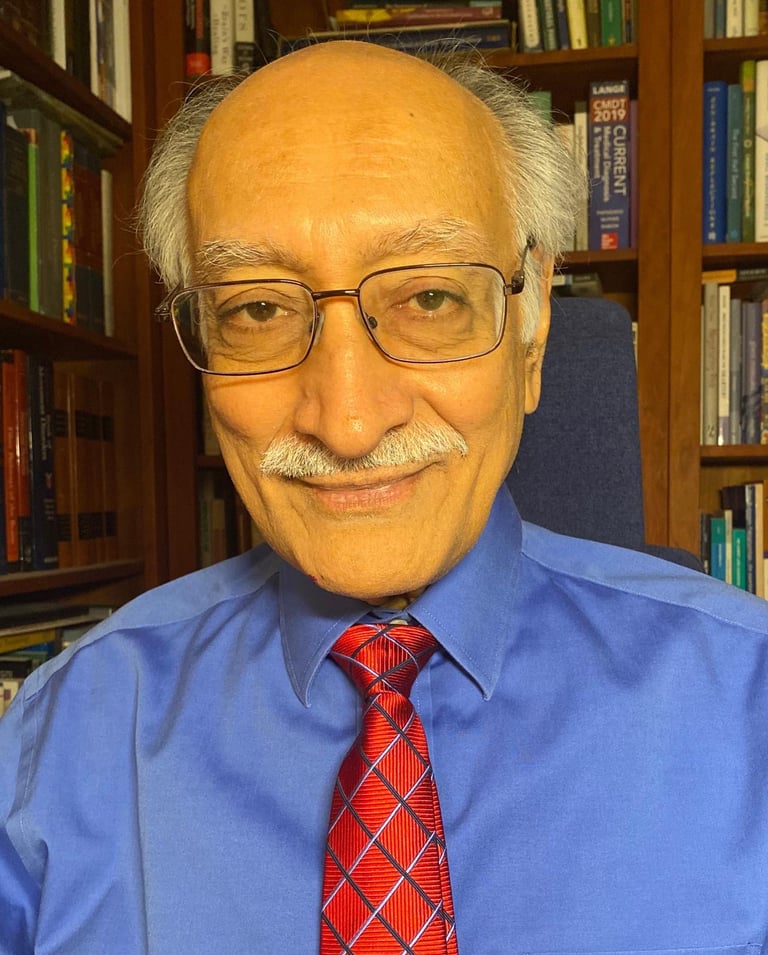
Meet Dr. Teepu Siddique
Dr. Teepu Siddique is an internationally recognized neurologist and scientist whose work has defined the genetic architecture of ALS. He holds senior clinical and research leadership roles at Northwestern University where he founded the Neuromuscular Program, the Neurogenetics Laboratory, and a nationally respected interdisciplinary ALS clinic.
His work has produced landmark discoveries, including:
Identification of multiple ALS genes
Creation of the first-ever ALS animal model
Development of CRISPR-based correction of ALS mutations in mice
Discovery of new therapeutic targets that may apply to all forms of ALS
His legacy spans top tier scientific impact, patient advocacy, clinical innovation, and global recognition.
314+
Publications
90
h index (Google Scholar)
50,000+
Citations
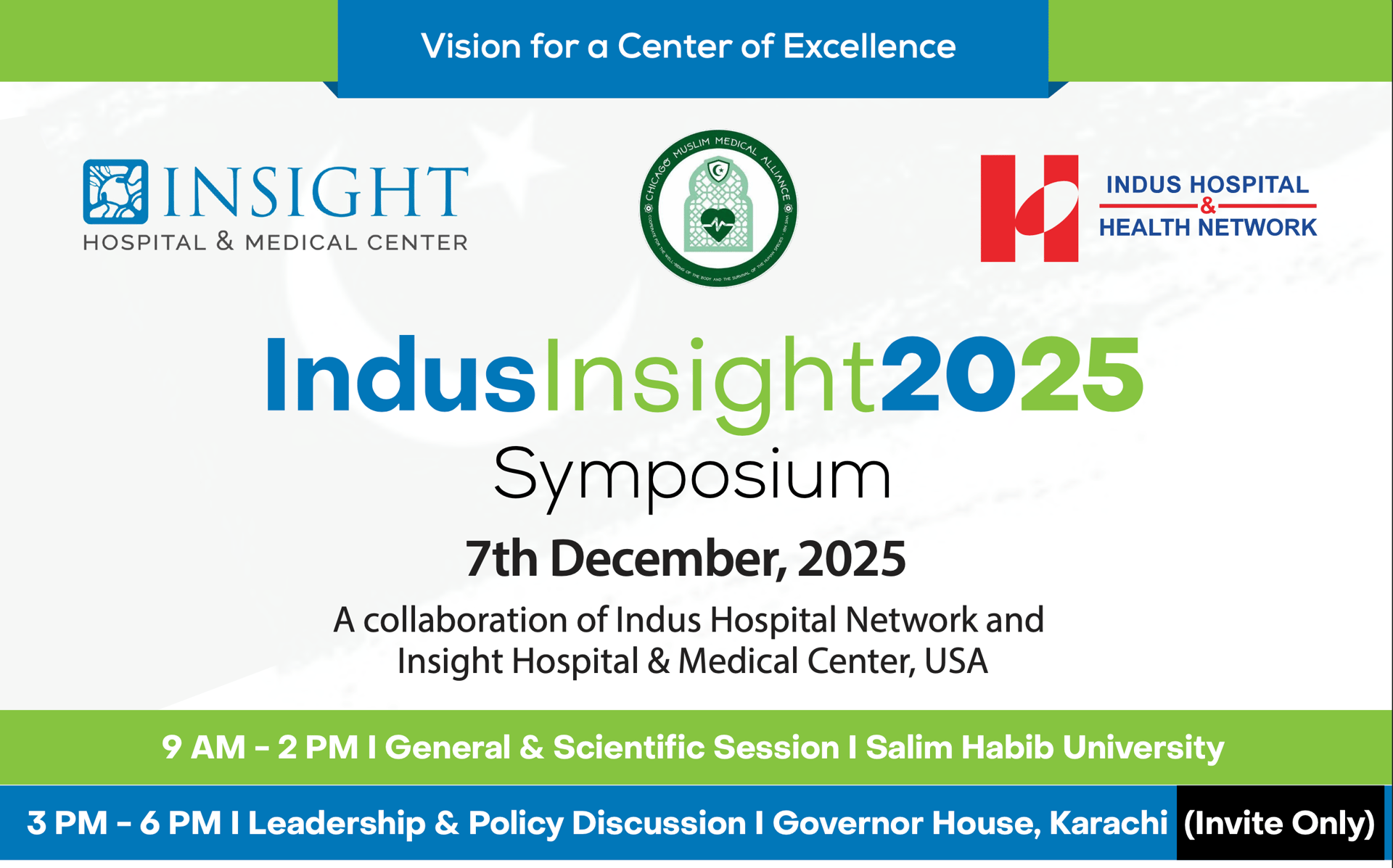
Join Medical Leaders Symposium
Connect with top US researchers and clinicians on December 7, 2025
Early Life And Academic Foundation
Dr. Siddique began his scientific path with a BSc at University of the Punjab, earning the prestigious gold Rattigan Medal for excellence in Botany and Chemistry. His growing interest in human biology led him to pursue medicine at Dow Medical College where he earned his MBBS.
Encouraged by mentors who saw his potential in neurology and research, he moved to the United States for advanced training. He completed neurology residency under respected figures in the field, followed by subspecialty training in neuromuscular medicine and a competitive NIH Fogarty fellowship. Each step sharpened his direction toward understanding complex neuromuscular diseases.
TURNING POINT: ENTRY INTO ALS RESEARCH
His shift into ALS began during his early faculty years at the University of Southern California. At the time, almost nothing was known about the biology of the disease. His first ALS study, published in Lancet, showed temporary symptom improvements in patients, but more importantly it confirmed what he already suspected: real progress would require understanding the molecular mechanisms driving ALS, not just treating symptoms.
He committed fully to the emerging field of molecular genetics. Despite resistance from many labs to train a clinician, he found an opportunity at Duke University where he began formal training in human genetics. His NIH Teacher Investigator Award, scored the highest ever at the time, validated the significance of his proposed work.
He then spent years traveling across the country meeting families with inherited ALS, collecting histories and samples. That work became the foundation for identifying the first ALS gene.


Research Focus
Advancing understanding of ALS and Parkinson's disease.


Molecular & Genetic Discovery
Landmark Gene Identification:
The identification of multiple key ALS genes, including SOD1, FUS, UBQLN2, and CHCHD10, fundamentally changed the approach to ALS research globally. This work established the genetic architecture of the disease.
Also includes genetic loci for ALS5 and C9ORF72, and the TMEM230 gene for Parkinson disease.


Disease Modeling & Mechanisms
Model Systems:
Creation of the first ALS mouse model (SOD1, 1994).
Development of the first ALS dementia model (UBQLN2).
Modeling CHCHD10 cardiac involvement in ALS.
Mechanistic Insights:
Demonstrated the central role of disrupted protein degradation, linking ubiquitin proteasome and autophagy systems to all forms of ALS, providing a unified theory for disease pathology.
Therapeutics & Future Direction
Current and Future Strategies:
Successful CRISPR/CAS9 correction of ALS mutation in SOD1 mice.
Developing viral vector therapies to enhance protein recycling.
Investigating immune system signatures unique to sporadic ALS.
Mentoring the next generation of clinician scientists.
This ongoing work leverages genetic editing technologies for long-term treatment strategies.
Awards and Honors
Shelia Essey Award in ALS
Hope Through Caring Award
Forbes Norris Award
Honorary Doctor of Science, Lake Forest College
Honorary Doctor of Letters, American Islamic College
Castle Connolly Top Doctor (23 consecutive years)
Chicago Magazine Top Brain Doctor
Profiled in Encyclopedia Britannica
Featured in The Muslim 500 for over a decade
Appointment to the ClinGen Neurological Disorders Clinical Domain Working Group